










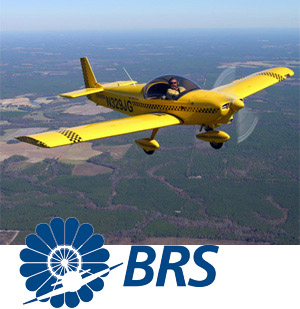
For years BRS Parachutes sold emergency systems to ultralight pilots. Then along came Cirrus Design, who installed the CAPS (Cirrus Airframe Parachute System) on their SR-20 and SR-22 models as standard equipment. It was a bold and unproven tactic, but today, the SR-22 is the best selling general aviation aircraft in the world. Did the parachute help that success? “Absolutely,” says Cirrus president, Alan Klapmeier. Light-Sport Aircraft producers commonly offer parachute systems: Flight Design CT uses a BRS 1350 HS as standard equipment; TL’s StingSport comes with Galaxy. *** Now Aircraft Manufacturing and Development (AMD) has added the BRS to a long list of available safety features: Amsafe seat belt airbags, lightning protection (on the IFR certified CH-601 XLi model), Tetra foam seat cushions (to absorb “G” loads on hard touchdowns), and a FAR 33 certified aircraft engine, the Continental 0-200. The Eastman, Georgia-based LSA producer certified a BRS-equipped airplane at the end of January 2007.