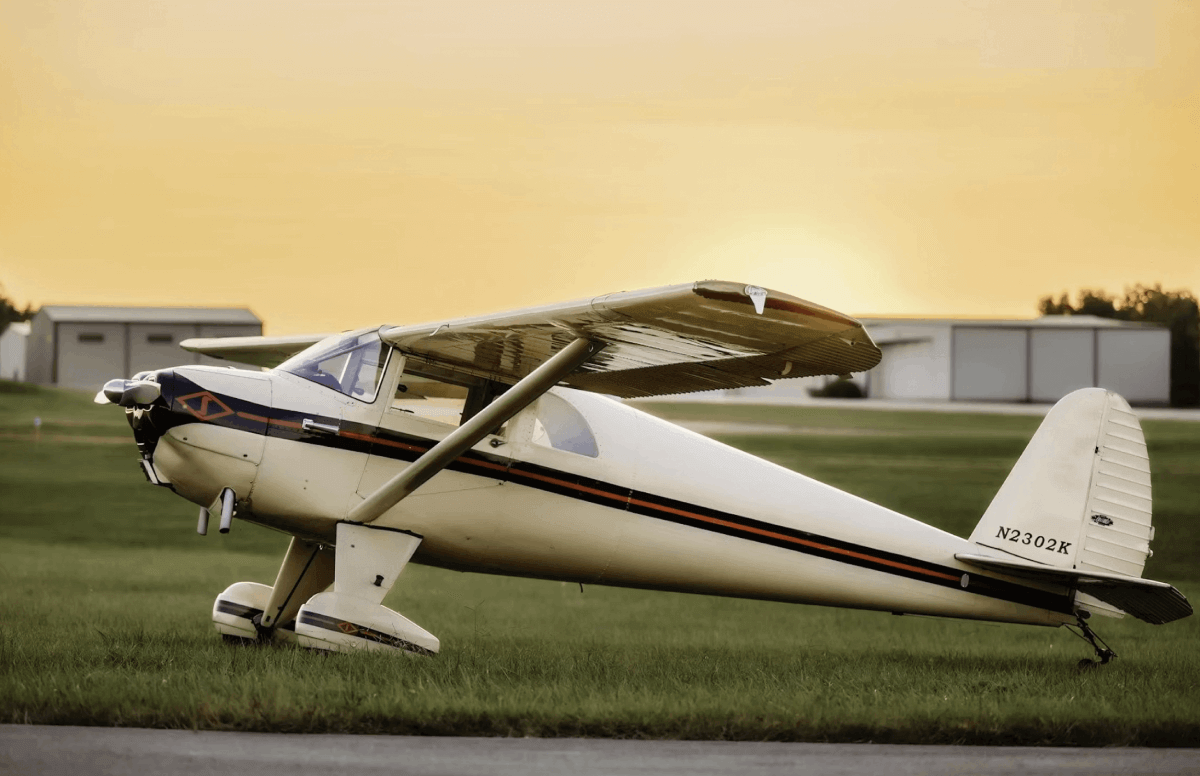










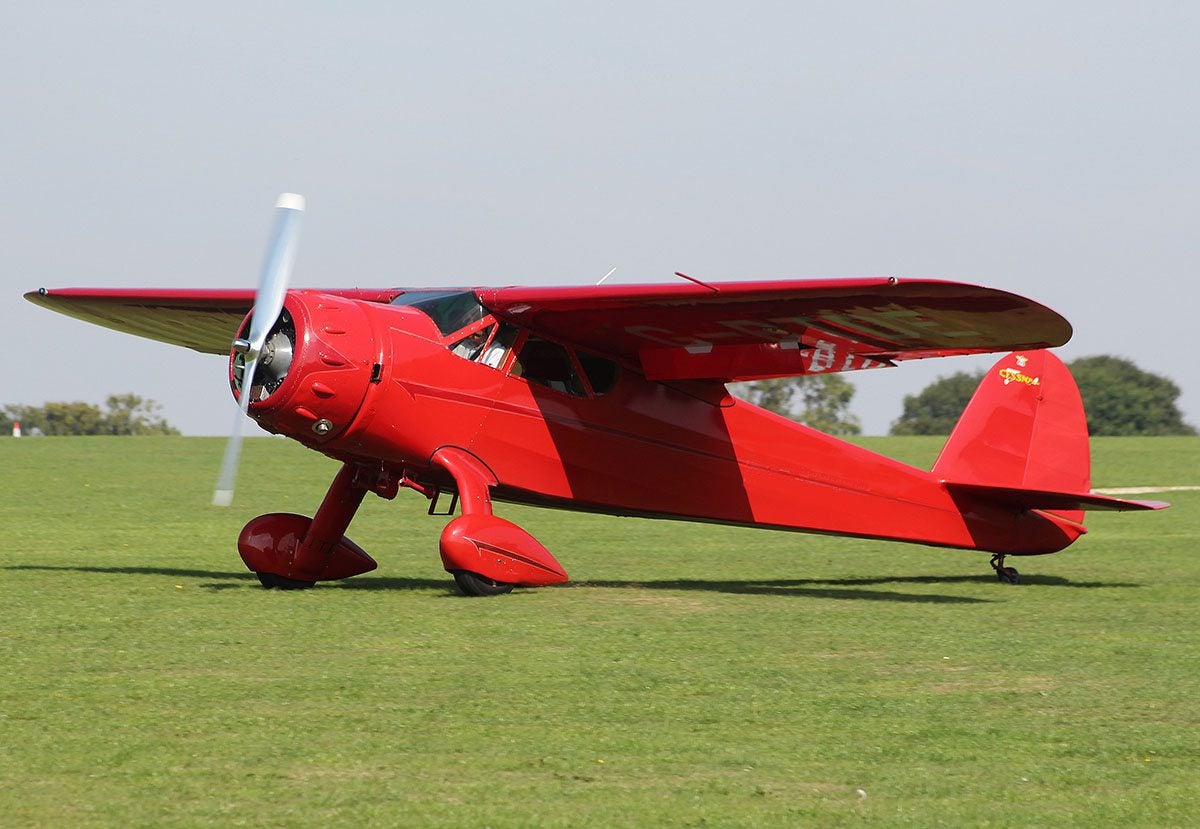
Sometimes the original ancestor airplane gives few clues that it could someday inspire the kind of state-of-the-art product we know that it ultimately will. And so it is with the Cessna Airmaster, a mid-’30s advancement that, as the company surely knew, wasn’t advanced enough. It was and remains a beautiful aircraft, and it was competitive with a couple of other cabin monoplanes of the day from Stinson and others, though it had little to distinguish it from them. Perhaps its most noteworthy design feature is its cantilever wing. But in terms of materials, the Airmaster, with its fabric-covered, welded steel fuselage, wood wings and radial engine/taildragger design, was decidedly old school. But you probably know just where this is going. First flight: Aug. 19, 1934. Number built: 183. Status: Out of production.
Airmaster

Key Takeaways:
- The Cessna Airmaster, which first flew on August 19, 1934, served as an early, traditional predecessor to Cessna's later state-of-the-art aircraft.
- Its most notable design element was a cantilever wing, though it relied on conventional construction methods such as a fabric-covered steel fuselage, wooden wings, and a radial engine.
- Despite being a competitive cabin monoplane of its era, it had few features to set it apart from competitors and ended production after only 183 units were built.
See a mistake? Contact us.